
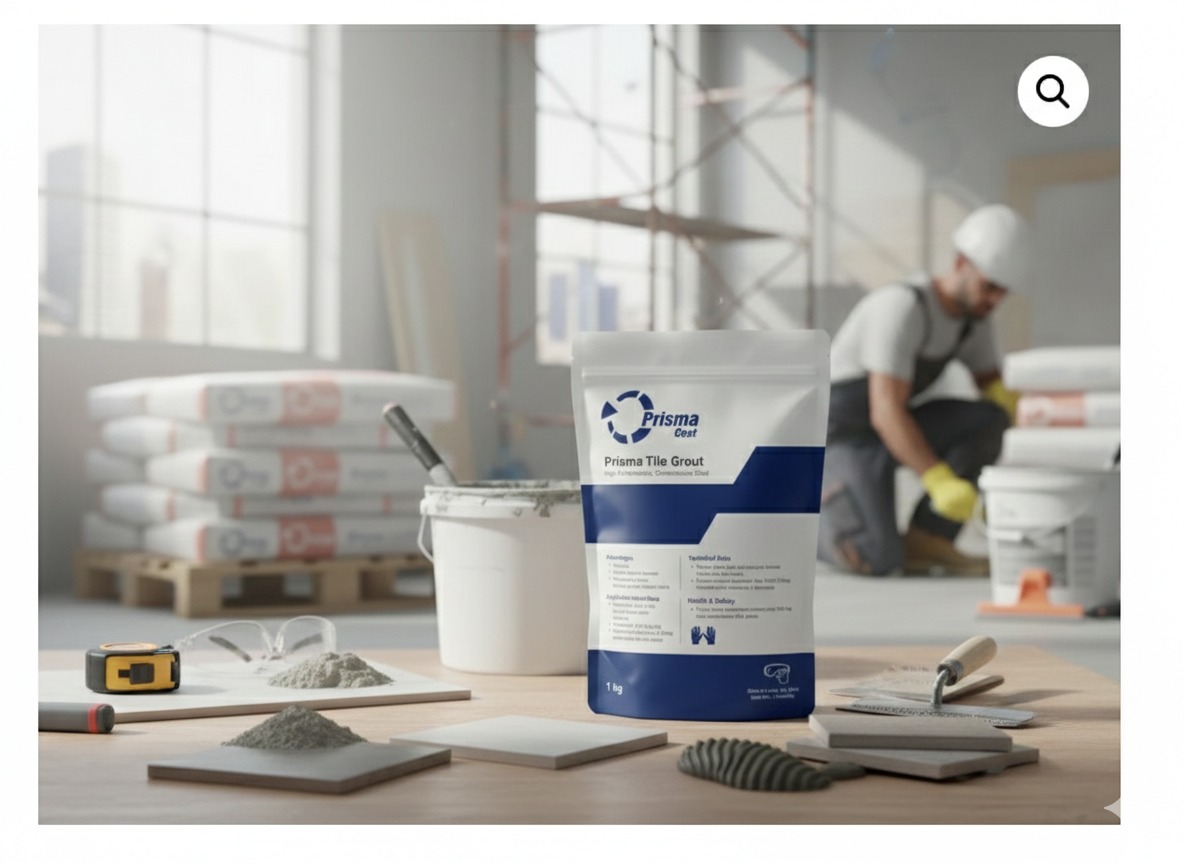
Tile grout is commonly used in kitchen, bathrooms for tiles. It is the material used to fill the spaces (also called joints) between tiles after they are set in place. Unlike the adhesive that actually bonds tiles to the floor or wall, grout fills gaps so the surface looks finished, waterproofs the joint areas, and helps prevent tiles from shifting or cracking under pressure over time.
At its core, grout is a dense paste that starts out workable and pliable and then hardens into a solid, stable component of the tiled surface. The most common base ingredients are cement, water, and fine sand, though modern grouts often include polymers or resins for improved performance. Chemically cured epoxy grouts use resin and hardener components for superior strength and resistance to water and stains.
When tiling a floor, wall, shower, or countertop, tiles are spaced slightly apart to allow for movement from temperature changes and foot traffic. These gaps, if left empty, would collect dirt, allow moisture in, and increase the risk of damage to the underlying structure. Grout fills these spaces and, once cured, forms a semi-rigid, durable seal that:
Without grout, the spaces between tiles can become sites for dirt and grime buildup, mold growth, and even structural weakening as water infiltrates below the surface.
Different projects and environments call for different kinds of grout. The main categories are:
This is the traditional type you find on most residential tile jobs. It includes Portland cement as a binder and may include sand as a filler. Cementitious grout comes in two key subtypes:
Epoxy grout combines a resin and hardener to create a highly durable, non-porous matrix once cured. It resists stains, chemicals, and moisture without the need for sealing, making it excellent for wet areas like showers, kitchens, and commercial environments where frequent cleaning is needed. It’s often more expensive and requires careful mixing and application, but delivers long-lasting performance
These include urethane or polymer blends that come pre-mixed. They often offer easier handling and better stain resistance than basic cementitious grout, with some flexibility that helps reduce cracking if tiles shift slightly.
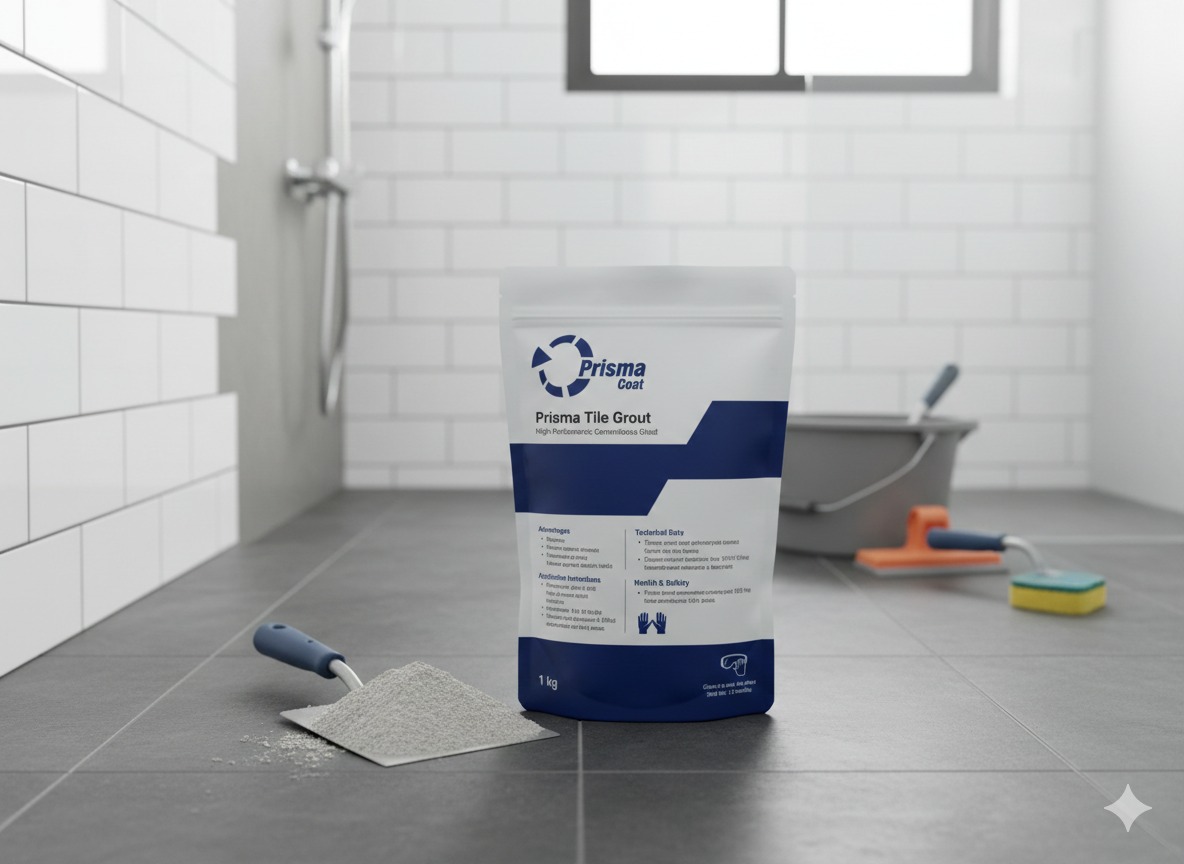
Good grout provides a finished, polished look that enhances the design of the tiled area. With a wide range of color options, grout can either blend seamlessly with tiles or create a striking contrast that highlights the pattern and craftsmanship of the installation.
Grout acts as a barrier against water infiltration between tiles. Especially in areas like showers, bathrooms, and kitchens, unfettered moisture can seep under tiles and damage the substrate. Properly grouted and sealed joints slow or prevent this water ingress, protecting your investment and interior structure.
Even though tiles are bonded to the surface beneath them with adhesive, grout helps maintain even spacing and prevents tiles from rubbing against each other or shifting over time. Good grout absorbs minor tile movement due to temperature changes or weight load, helping reduce cracking and edge chipping.
Grout keeps dirt and food particles from settling into joints where they can be difficult to remove. When properly sealed and cleaned regularly, grout helps keep tiled spaces hygienic, reducing the growth of bacteria and mold in moist areas.
The best grout choice depends on several key factors:
Higher-performance grouts like Prisma Tile Grout offer a polymer-modified cement mix that improves water resistance and durability for typical residential and commercial tiled surfaces. These grouts are designed to handle the everyday stresses of floors, walls, and wet environments while providing a smooth, strong finish.
For more demanding environments like commercial kitchens, patios, or pools, Prisma Epoxy Grout provides advanced chemical resistance, stain resistance, and long-lasting performance, making it a robust choice where traditional cementitious grouts may fall short).
Preparation starts with clean, dry tile joints. Cementitious grouts come as a dry powder mixed with water or a special additive, and correct consistency is key — too much water weakens the grout, too little makes it hard to work with. Grout is spread into the joints using a rubber float at a 45-degree angle, ensuring full contact with tile edges and substrate. After the initial set, excess material is removed with a damp sponge and finished to smooth lines between tiles.
Epoxy grout typically comes in multiple components that need precise mixing before application. Once mixed, it cures quickly into a hard, waterproof joint. Because of its speed and properties, applying epoxy grout demands skill and careful timing.
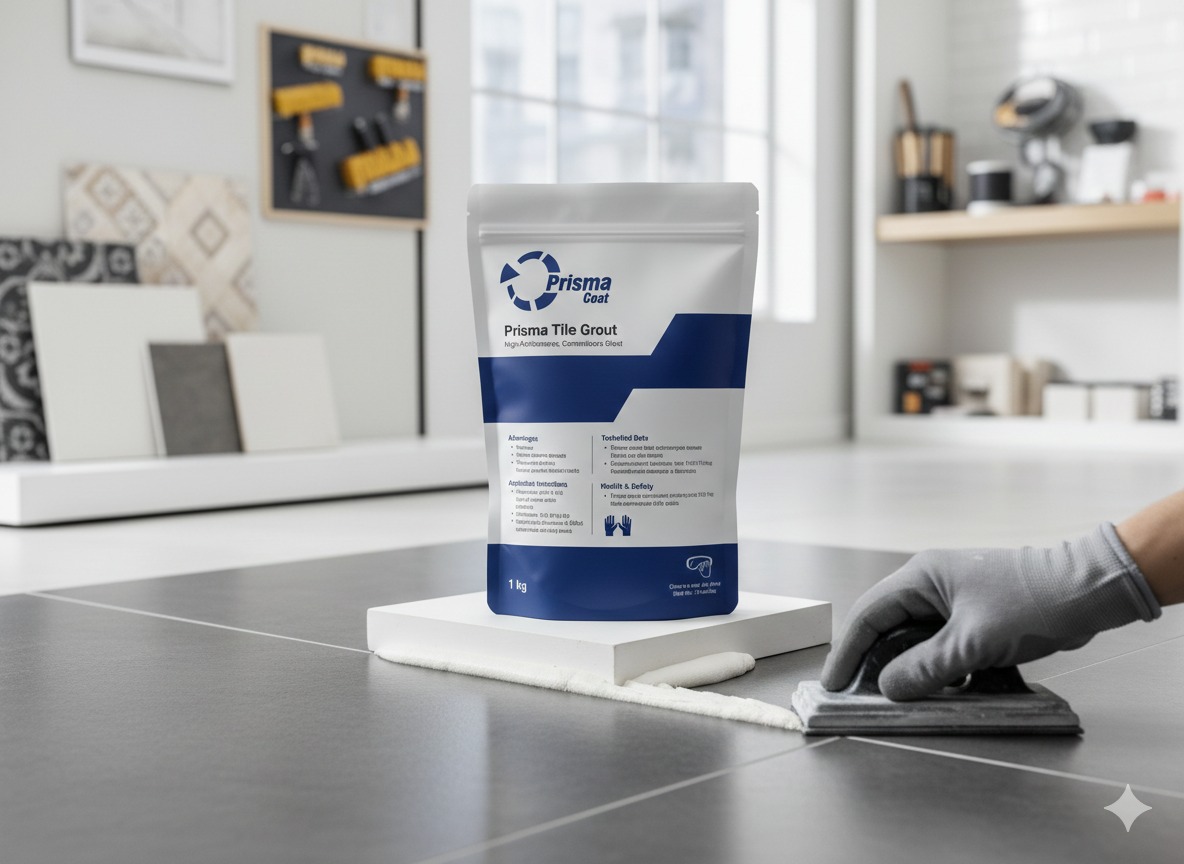
This can be caused by movement, poor mix ratios, or inadequate joint depth. Using flexible grout or adding expansion joints helps minimize cracking.
Porous grouts can stain if they’re not sealed. Regular cleaning with neutral cleaners and periodic sealing helps maintain color and performance.
Especially in damp areas, mold can grow if grout remains wet. Regular cleaning and ventilation, along with using mold-resistant grouts, help reduce recurrence.
Grout comes in a wide range of colors. Matching grout to tile can make the surface look continuous and spacious, while contrasting grout can emphasize tile patterns and design. Color choice also affects maintenance, lighter colors may show dirt more quickly than mid-tone or darker hues.
High-quality grout and proper installation means the tiled surface will stand up to daily wear, moisture exposure, and temperature changes much better than tiles without grout or with improperly installed grout. Good grout reduces the need for frequent repairs and keeps tiles looking fresh and functional for longer.
Grout might seem like a small part of a tile installation, but it’s absolutely essential for both form and function. Whether you’re finishing a bathroom floor, renewing kitchen backsplash lines, or doing a large outdoor patio, the right grout complements the tiles, strengthens the installation, and protects the structure from damage. Understanding what tile grout is, how it works, and how to choose the right type for your project ensures the results you get are both beautiful and durable.
Using quality products like Prisma Tile Grout and Prisma Epoxy Grout from Prismacoatings gives tilers and DIYers materials engineered for lasting performance, strong water resistance, and professional-looking finishes in a variety of environments.
Tile adhesive is used to bond tiles to the surface beneath, while grout fills the spaces between tiles. Grout provides a finished look, prevents moisture penetration, and helps stabilize tiles after installation.
Cementitious grouts usually require sealing to protect against stains and moisture. Epoxy grouts are non-porous and do not need sealing, making them ideal for wet or high-traffic areas.
Epoxy grout is often preferred for bathrooms and kitchens because it resists water, stains, and chemicals. Polymer-modified cement grouts are also suitable when properly sealed.
Sanded grout is best for wider joints and floor tiles, while unsanded grout works better for narrow joints and delicate tiles like glass or polished stone.
Yes, grout can crack due to movement, improper mixing, or lack of expansion joints. Using quality grout products and proper installation techniques helps reduce cracking.
Grout should be cleaned regularly with mild, neutral cleaners. Cementitious grout may need periodic resealing to maintain its appearance and performance, especially in moisture-prone areas.