
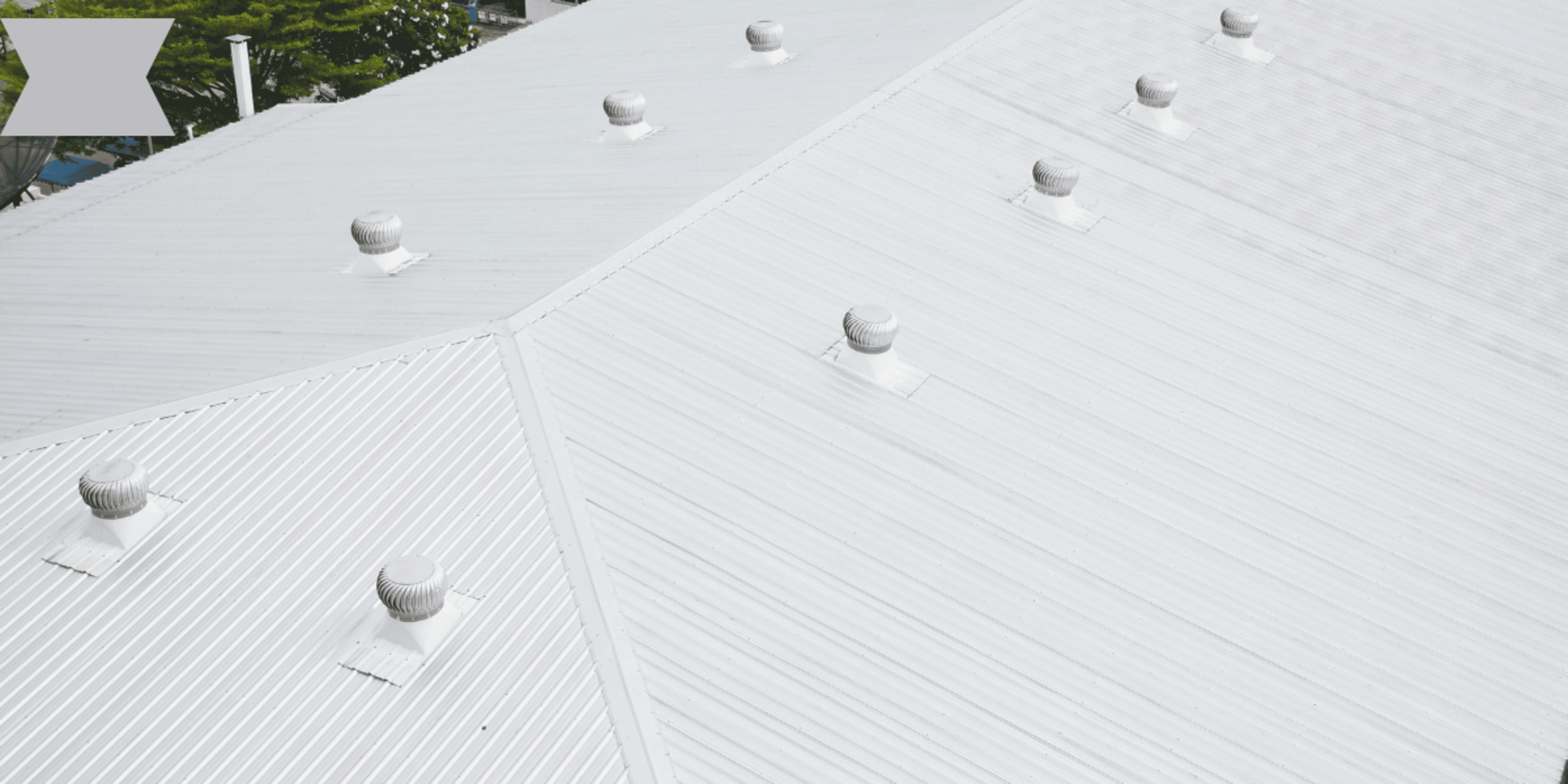
Your commercial roof is one of the most important and most overlooked investments in your building. Day after day, it withstands UV rays, rain, wind, temperature swings, and foot traffic. Over time, even a well-installed waterproof coating breaks down, leaving your property vulnerable to leaks, structural damage, and skyrocketing repair costs.
The good news? Your roof will usually show warning signs before a small problem becomes a catastrophic failure. Knowing the signs your commercial roof needs a waterproof coating can save you tens of thousands of dollars and protect your business operations from unexpected disruption.
In this guide, we’ll walk you through the most critical red flags that signal it’s time to recoat and what you should do before it’s too late.
Commercial roofs whether flat, low-slope, or modified bitumen are highly susceptible to water infiltration. Unlike steep residential roofs that shed rain quickly, commercial roofing systems allow water to pool and sit. Without a properly functioning waterproof membrane, moisture works its way into seams, cracks, and porous areas, damaging insulation, decking, and interior structures below.
A high-quality waterproof coating acts as a continuous, seamless barrier that reflects UV rays, resists ponding water, and extends the overall lifespan of the roof system. Most coatings last between 5 and 15 years depending on the product, climate, and maintenance schedule. When the coating fails, the entire roof becomes vulnerable.
One of the most obvious signs that a commercial roof needs waterproof coating is visible surface deterioration. Walk your roof (or have a professional do it) and look for:
Cracks running through the existing coating layer
Bubbles or blisters where the coating has lifted from the substrate
Peeling or flaking in high-traffic areas or around rooftop equipment
Blistering typically occurs when moisture becomes trapped beneath the coating, often due to improper application or an aged membrane that can no longer bond correctly. Once the coating starts to crack or blister, water has a direct pathway into your roofing system.
Don’t wait: Surface cracks might look minor, but they are active entry points for water during every rain event.
If you notice water stains on ceiling tiles, walls, or insulation inside your building, your waterproofing has already been compromised. While the leak point inside may not be directly below the entry point on the roof, water travels along decking and structural members before dripping down.
Active leaks mean your coating has failed at one or more points, and a simple patch likely won’t be enough especially on an older roof where the entire coating layer has degraded. A comprehensive recoating is often the most cost-effective and long-lasting solution compared to repeated spot repairs.
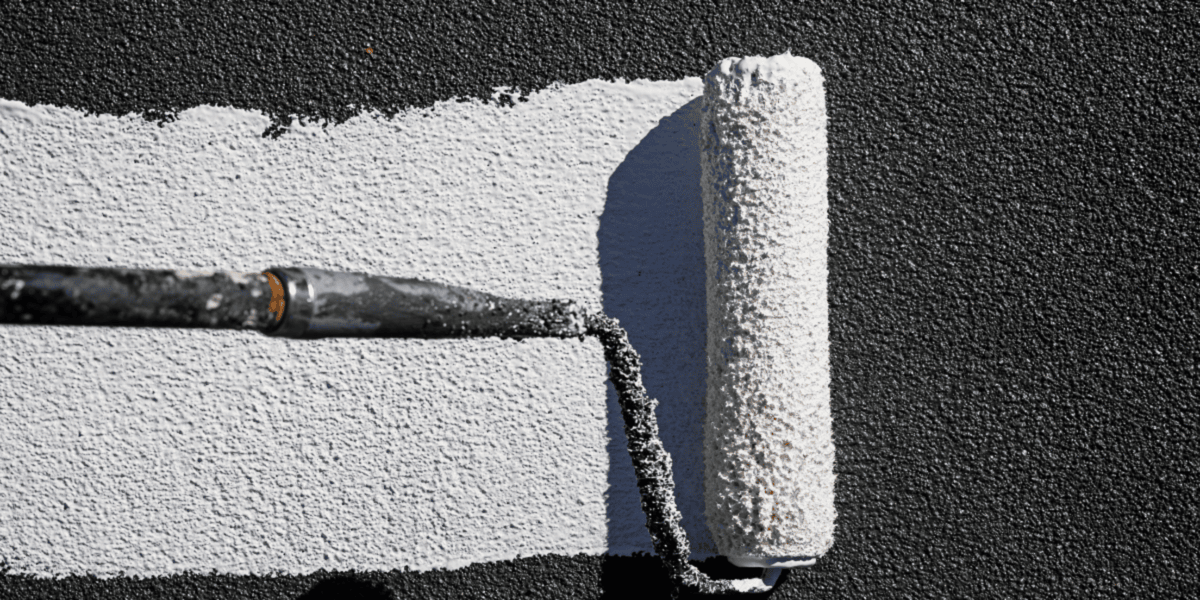
Ponding water that remains standing on your roof more than 48 hours after rainfall is a major red flag for any commercial building owner. While some degree of water pooling is normal on flat roofs, prolonged ponding accelerates the breakdown of waterproof coatings dramatically.
Standing water puts relentless pressure on the coating, causes premature aging, encourages algae and mold growth, and adds significant structural weight to your roof deck. If your existing coating is showing signs of wear and you’re experiencing regular ponding, recoating with a high-build elastomeric or silicone coating should be a top priority.
Over time, UV radiation breaks down the reflective properties and binding agents in waterproof coatings. A coating that once appeared bright white or uniformly gray may start to look chalky, faded, or streaked with dark stains from algae or debris.
This chalking effect isn’t just cosmetic; it means the coating has lost much of its UV-reflective capability and may be thinning in certain areas. A roof that can no longer reflect heat increases your energy costs and accelerates the aging of the underlying membrane. If your roof looks noticeably faded or chalky, a coating inspection and reapplication are warranted.
Seams and flashings are the most vulnerable points on any commercial roof. They are where different sections of the roof meet and where the roof connects to walls, HVAC equipment curbs, skylights, and drains. Waterproof coatings are especially critical in these areas.
Signs of seam and flashing failure include:
Visible gaps or separation between roof sections
Flashing that is lifting, cracked, or has pulled away from the wall
Rust staining around metal flashing components
Soft or spongy areas around roof penetrations
When seams fail, water infiltration is rapid and often severe. A full-surface recoating with proper reinforcement fabric in seam areas is the recommended approach to restore comprehensive waterproofing protection.
Even a coating that looks acceptable from a distance may have reached the end of its effective service life. Most standard acrylic and elastomeric waterproof coatings have a functional lifespan of 7 to 12 years under normal conditions. Silicone coatings can last longer, but they still require periodic inspection and maintenance.
If your records show that the last waterproof coating was applied more than a decade ago or if you’re unsure when it was last done that alone is sufficient reason to schedule a professional inspection. Proactive recoating before complete failure is almost always less expensive than emergency repairs or a full roof replacement.
Waterproof coatings, especially white or light-colored reflective varieties, play a major role in your building’s thermal performance. A functioning cool-roof coating can reflect up to 85% of solar radiation, keeping interior temperatures lower and reducing HVAC workload.
If your energy bills have been climbing unexpectedly especially during summer months and you haven’t made changes to your HVAC system or occupancy, a degraded roof coating may be the culprit. Reapplying a high-reflectivity waterproof coating can restore energy efficiency and reduce cooling costs significantly.
Delaying action when your commercial roof shows signs of waterproofing failure is one of the most expensive mistakes a building owner can make. The progression is predictable:
A degraded coating leads to water infiltration. Water infiltration damages insulation and roof decking. Damaged decking leads to structural compromise. By the time interior damage becomes obvious, you’re often looking at a full roof replacement rather than a simple recoat a cost difference that can run from tens to hundreds of thousands of dollars.
Beyond repair costs, leaks disrupt business operations, damage inventory and equipment, create liability risks, and can lead to mold problems that require remediation. The cost of a proactive recoating is a fraction of the cost of the damage that follows a full coating failure.
Not all coatings are created equal. The right product depends on your roof type, climate, drainage design, and budget. Common options include:
Acrylic Coatings Cost-effective, highly reflective, and easy to apply. Best for roofs with minimal ponding water.
Silicone Coatings Excellent for roofs with regular ponding water due to their resistance to moisture. More durable long-term but typically higher in upfront cost.
Polyurethane Coatings Highly resistant to foot traffic and impact. Ideal for roofs with heavy maintenance activity or multiple rooftop penetrations.
Elastomeric Coatings Flexible coatings that expand and contract with temperature changes, reducing the risk of cracking. Well-suited for extreme climates.
Work with a qualified commercial roofing contractor who can assess your specific roof system and recommend the coating best suited to your building’s needs and local weather conditions.
Your commercial roof protects everything beneath it your equipment, your inventory, your employees, and your business continuity. Recognizing the signs your commercial roof needs a waterproof coating early is the single most effective thing you can do to extend roof life and avoid emergency expenses.
From visible cracking and blistering to rising energy costs and aging coatings, the warning signs are there if you know what to look for. The smartest commercial property owners treat their roof like any other critical system with regular inspections, proactive maintenance, and timely action when problems emerge.
If you’ve noticed any of the signs discussed in this guide, don’t wait. Contact a qualified commercial roofing contractor today to schedule an inspection and get ahead of the problem before the next season of storms puts your building at risk.
Most commercial waterproof coatings should be inspected every 2–3 years and reapplied every 7–12 years, depending on the product type, climate, and level of foot traffic. Some premium silicone coatings can extend beyond 12 years with proper maintenance. Annual professional inspections help identify early deterioration before it leads to failure.
In many cases, yes a new coating can be applied over an existing one, provided the substrate is structurally sound, properly cleaned, and free of active leaks or standing moisture. However, if the existing coating is severely deteriorated, peeling, or bubbling, it may need to be removed or stabilized first. A professional assessment will determine the correct preparation approach.
The cost to recoat a commercial roof typically ranges from $1.50 to $4.00 per square foot, depending on the coating type, roof condition, and required preparation work. This compares favorably to full roof replacement costs of $8 to $25+ per square foot. Proactive recoating is almost always the most economical choice.
Application time depends on the size of the roof and the type of coating used, but most commercial recoating projects are completed within 1 to 3 days. Weather conditions must be suitable, coatings generally require dry conditions and temperatures above 50°F for proper curing. Your contractor will provide a specific timeline based on your roof’s square footage and complexity.
A new waterproof coating can seal many minor and moderate leak sources, particularly those caused by porous surfaces, small cracks, and seam degradation. However, active leaks with significant structural damage or large penetrations must be repaired prior to coating application. Applying a coating over an unrepaired leak area will not deliver a durable fix and may void the coating warranty. Always have leaks properly diagnosed and repaired before recoating.